A Guide to Choosing the Right Commercial Windows for Your Building
Selecting the right windows for a commercial building is more than an aesthetic decision—it’s a strategic investment that impacts energy efficiency, security, occupant comfort, and overall building performance. Commercial windows serve as the interface between a building’s interior and the outside environment, influencing natural light penetration, thermal insulation, noise reduction, and even brand image. With a vast array of window types, materials, and technologies available, making an informed choice is crucial for property owners, architects, and facility managers who want to optimize both functionality and long-term value.
Beyond visual appeal, commercial windows play a key role in meeting energy codes, sustainability goals, and regulatory compliance. A poorly chosen window can lead to excessive energy consumption, maintenance challenges, and occupant dissatisfaction, while the right solution can enhance the building’s operational efficiency, reduce utility costs, and contribute to a healthier, more productive environment. This guide provides a comprehensive overview of the factors to consider when selecting commercial windows, offering actionable insights, practical recommendations, and expert reasoning to help you make confident decisions that balance performance, aesthetics, and cost-effectiveness.
Understanding Different Types of Commercial Windows Effectively
Fixed Windows for Maximum Light and Energy Efficiency
Fixed windows are non-operable and are designed primarily for letting in natural light and providing unobstructed views. They are highly energy-efficient because they don’t have moving parts that could compromise insulation. These windows are ideal for office buildings, lobbies, and facades where ventilation is less critical.
Benefits:
- Maximum energy efficiency due to tight sealing and construction
- Clear, uninterrupted views for an open, professional environment
- Lower maintenance requirements over long-term building usage
Challenges:
- No natural ventilation available for indoor air circulation
- Limited emergency egress options in certain building areas
Operable Windows for Enhanced Ventilation and Comfort
Operable windows include casement, awning, sliding, and tilt-turn styles that can open to allow ventilation. These windows are excellent for areas requiring fresh air, like conference rooms, break areas, or smaller offices.
Benefits:
- Improves indoor air quality and occupant well-being effectively
- Enhances occupant comfort throughout the workday efficiently
- Can reduce HVAC load when used strategically in design
Challenges:
- Slightly lower insulation compared to fully sealed fixed windows
- Higher maintenance due to moving parts and mechanisms
Specialty and Curtain Wall Systems for Modern Buildings
Large commercial buildings often incorporate curtain walls or specialty windows such as storefronts, skylights, and pivoting systems. Curtain walls are non-structural, often floor-to-ceiling glass panels that provide a modern look and ample daylighting.
Best Practice:
- Ensure compatibility with structural building design and safety
- Use high-performance glazing to minimize long-term energy loss
Selecting the Right Commercial Window Frame Material
Aluminum Frames for Strength, Durability, and Modern Appearance
Vinyl Frames for Affordable, Low-Maintenance Window Performance
Fiberglass Frames for Durability and Energy-Efficient Performance
Commercial Window Glazing Options and Energy Efficiency
Single, Double, or Triple Glazing for Thermal Performance
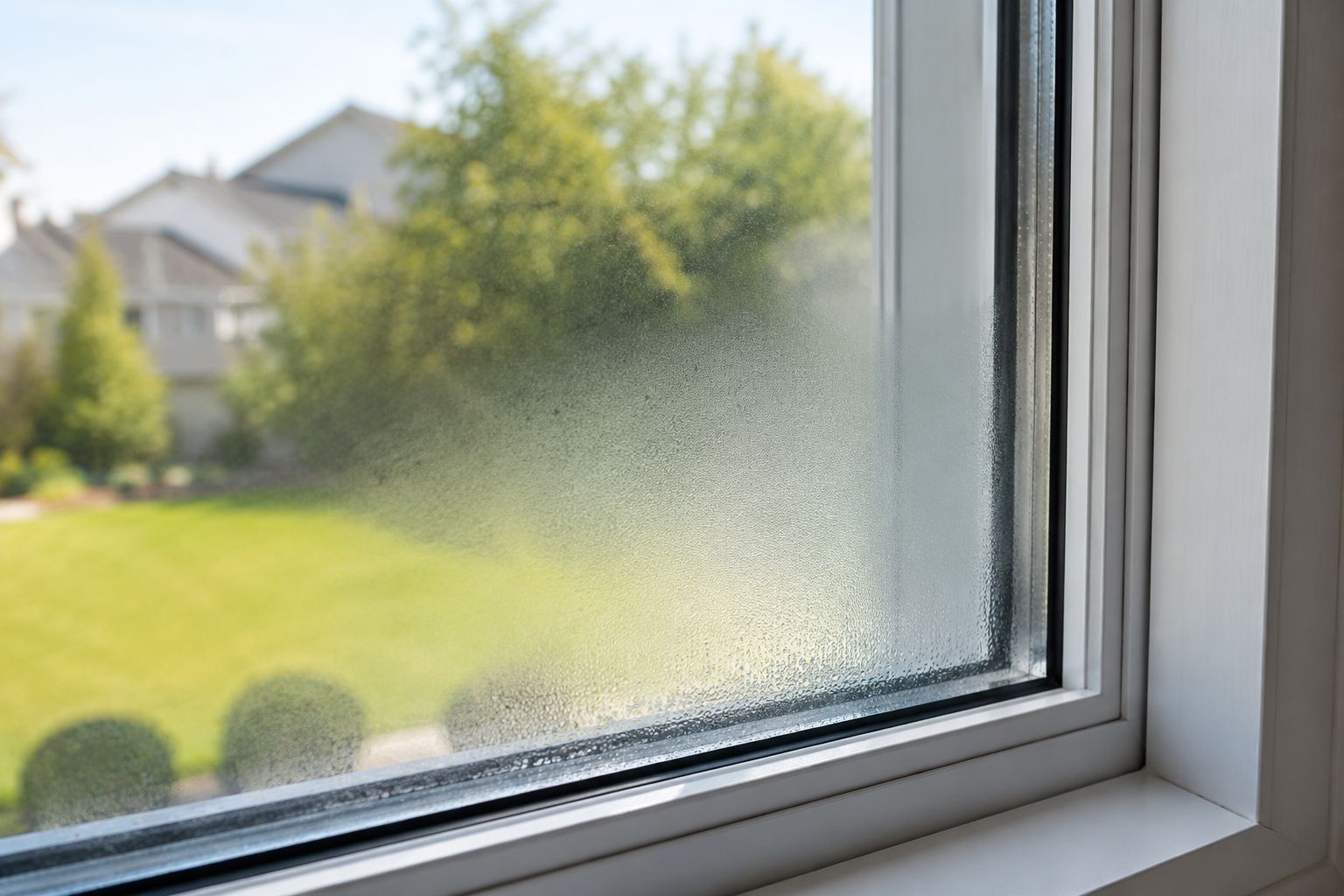
Single-pane windows are rarely recommended for modern commercial buildings due to poor insulation and condensation risk. Double and triple-glazed windows provide multiple layers of glass with insulating gas fills (argon or krypton) that improve energy performance.
Benefits:
- Enhanced thermal insulation for all climate conditions effectively
- Noise reduction benefits for urban and high-traffic environments
- Reduced condensation and interior surface cooling for comfort
Low-E Coatings to Regulate Interior Temperature Efficiently
Low-emissivity (Low-E) coatings reflect infrared energy while allowing visible light to pass through. This helps regulate interior temperatures and reduces HVAC demands.
Application Example:
- Office buildings in warm climates benefit from south-facing Low-E windows to limit solar heat gain
- Northern climates can use Low-E coatings designed to retain heat efficiently
Tinted or Reflective Glass for Comfort and Protection
Tinted or reflective glass can reduce glare and UV damage to interiors, contributing to occupant comfort and protection of furnishings.
Best Practices:
- Consider building orientation when selecting window tinting options
- Evaluate balance between light transmission and solar heat control
Real-World Scenario:
In a retail space, using double-glazed Low-E windows with a slight reflective tint can reduce cooling costs while maintaining natural daylight for product displays.
Balancing Security, Safety, and Building Code Compliance
Egress Windows for Emergency Exit and Accessibility Standards
Laminated and Tempered Glass for Safety and Protection
Egress Windows for Emergency Exit and Accessibility Standards
Aesthetic Considerations and Commercial Building Identity
Architectural Style Defines Window Appearance and Character
The visual impact of commercial windows can define a building’s character. Modern structures often favor floor-to-ceiling glass for a minimalist, open feel, while traditional buildings may incorporate divided-light or muntin patterns.
Example:
- A healthcare facility may use operable, frosted windows to maintain privacy while maximizing light
- Corporate offices might feature curtain wall systems to create an inviting, professional facade
Color, Finish, and Customization for Cohesive Design
Window frames come in various finishes, including anodized aluminum, painted coatings, and vinyl laminates. Matching or complementing exterior cladding and interior design enhances overall cohesiveness.
Best Practice:
- Consider long-term maintenance and fading resistance for finishes
- Ensure consistency with the building’s branding and visual identity
Maximizing Natural Light for Occupant Comfort and Productivity
Maximizing natural light improves employee productivity, reduces lighting costs, and supports wellness. Strategic window placement and glazing choices ensure balanced daylight distribution while minimizing glare.
Maintenance and Longevity Considerations for Windows
Routine Maintenance Ensures Long-Term Window Functionality
Commercial windows vary in maintenance needs depending on materials and mechanisms. Aluminum and vinyl windows require minimal care, while wood-framed or operable windows may need periodic lubrication and refinishing.
Longevity and Durability for Long-Term Building Performance
High-quality commercial windows can last decades if properly installed and maintained. Factors affecting lifespan include climate, exposure to UV and moisture, and material resilience.
Expert Tip:
Choose windows with durable coatings and finishes to minimize long-term upkeep. Plan for easy access to clean and service operable units efficiently.
Cost versus Long-Term Value for Commercial Window Investments
While initial costs may vary, investing in high-performance windows often yields energy savings, reduced maintenance, and improved occupant satisfaction. Long-term value typically outweighs upfront expense.
Scenario:
A commercial office building replacing outdated single-pane windows with double-glazed Low-E units may see measurable reductions in HVAC energy costs within a few years while improving interior comfort significantly.
Essential Guidelines to Maximize Window Efficiency Professionally
Choosing the right commercial windows is a multifaceted decision that requires balancing aesthetics, performance, energy efficiency, safety, and compliance. By understanding different window types, frame materials, glazing options, and their real-world applications, building owners and architects can make informed choices that optimize operational efficiency, occupant comfort, and long-term value. Security considerations, code compliance, and maintenance requirements further shape these decisions, making professional guidance and careful planning essential. Strategic window selection transforms a building’s exterior appeal while enhancing interior environments, creating spaces that are both functional and visually compelling.
Cross Creek Glass, based in Greenwood, SC, brings over 140
years of expertise in commercial glass solutions. Our team specializes in providing durable, energy-efficient, and aesthetically exceptional window systems tailored to each client’s unique building requirements. We combine deep industry knowledge with hands-on experience, ensuring every installation meets the highest standards of quality and performance. By choosing Cross Creek Glass, building owners can trust in a reliable partner who understands the critical role of commercial windows in maximizing property value, occupant comfort, and long-term efficiency, making us the preferred choice for discerning clients throughout Greenwood and surrounding areas.