The Cloudy Film on Your Glass Shower Door That Won't Wipe Off: What It Actually Is
The direct financial damage from a commercial break-in extends well past what was stolen. Businesses also absorb the expense of repairing entry points, replacing damaged inventory displays or equipment, and in some cases, pausing operations during cleanup and investigation. Beyond the tangible losses, there is also the damage to client trust and staff morale that follows a security breach.
A business that has visibly invested in quality locks, reinforced door frames, and layered access control sends a different message than one with hollow-core doors and standard pin tumbler locks. Criminals frequently assess entry points before attempting a break-in, and visible deterrents alter that calculus.
The Real-World Impact of Inadequate Commercial Locking
Break-Ins and Their Full Scope
Rekeying Vulnerabilities
Choosing the right lock type depends on your business type, entry points, and level of access control required. Below is a breakdown of the most widely used commercial lock categories:
Categories of High-Security Commercial Locks
Internal Theft and Access Misuse
External threats often receive more attention, but internal theft accounts for a substantial share of business losses each year. Restricted access zones, combined with electronic audit trails and high-security mechanical locks, reduce the opportunity for unauthorized access by current or former employees. This is not about distrust; it is about building a system where responsibility and accountability are built into the physical environment.
| Lock Type | Best For | Key Feature |
|---|---|---|
| Deadbolt Locks | Main entry doors | High resistance to forced entry |
| Mortise Locks | High-traffic commercial doors | Durability and multi-point locking |
| Electronic Keypad Locks | Offices, server rooms | Keyless access with audit trails |
| Magnetic Locks (Maglocks) | High-security zones | Electromagnetic holding force |
| Cylindrical Lever Locks | Interior commercial doors | ADA compliance and ease of use |
| Padlocks (Commercial Grade) | Storage units, gates | Portable, hardened shackle design |
Each category has its place within a layered security strategy. Many businesses benefit from combining mechanical high-security locks at perimeter entries with electronic access control at interior sensitive zones.
Quick Answer: That cloudy, chalky haze on your shower glass is almost always one of two things: a layer of hard-water mineral scale sitting on top of the glass, or permanent etching in the glass surface itself. Mineral scale is calcium and magnesium left behind as water dries; it feels gritty and dissolves with an acidic cleaner such as white vinegar. Etching feels smooth but stays hazy because the glass itself has been damaged, and no cleaner brings it back. You keep clear glass clear by squeegeeing after every shower, running the exhaust fan, and staying away from harsh abrasive cleaners. When a door stays foggy after a real cleaning, or the enclosure has started shifting and leaking at its seals, the glass or the seal needs a professional.
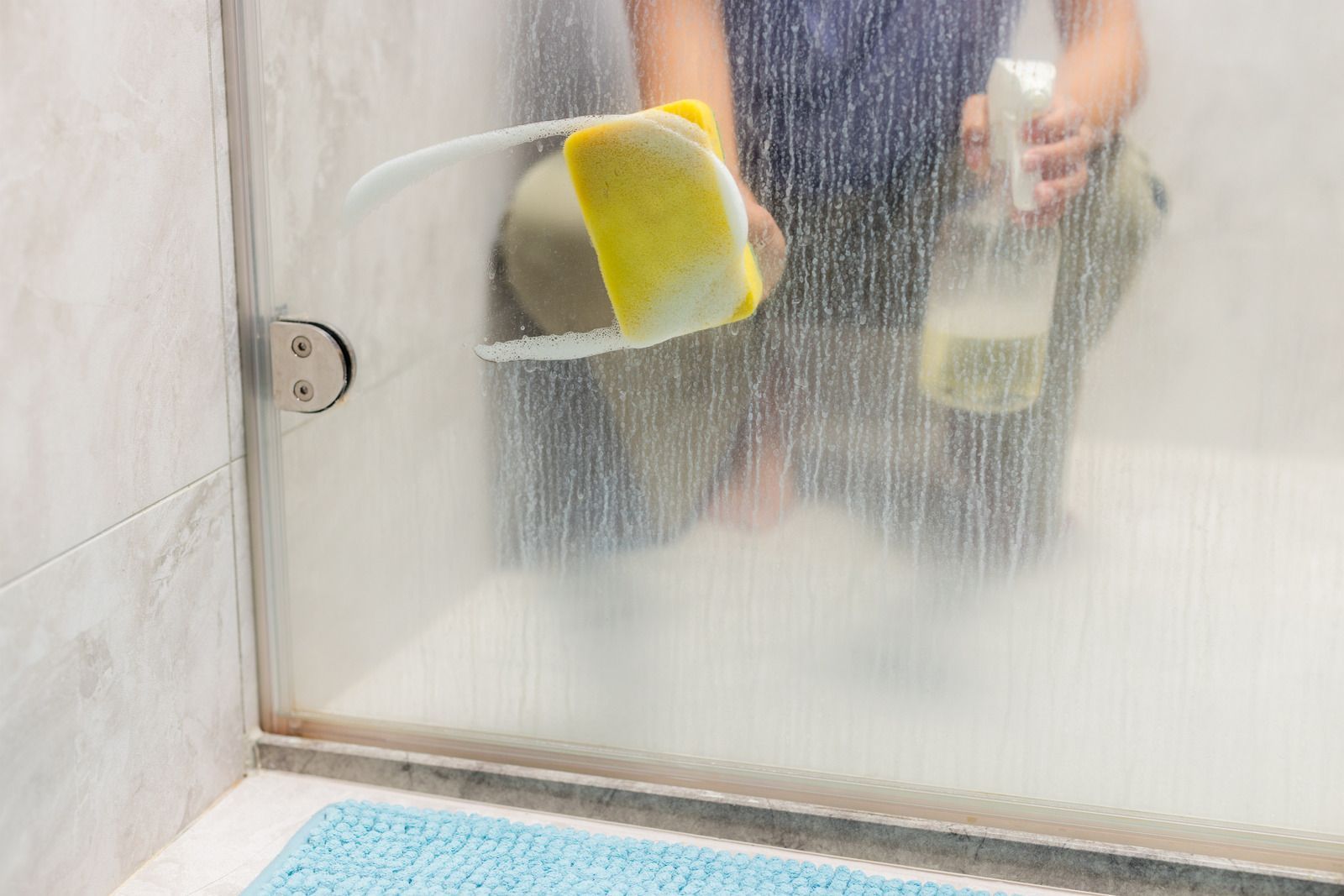
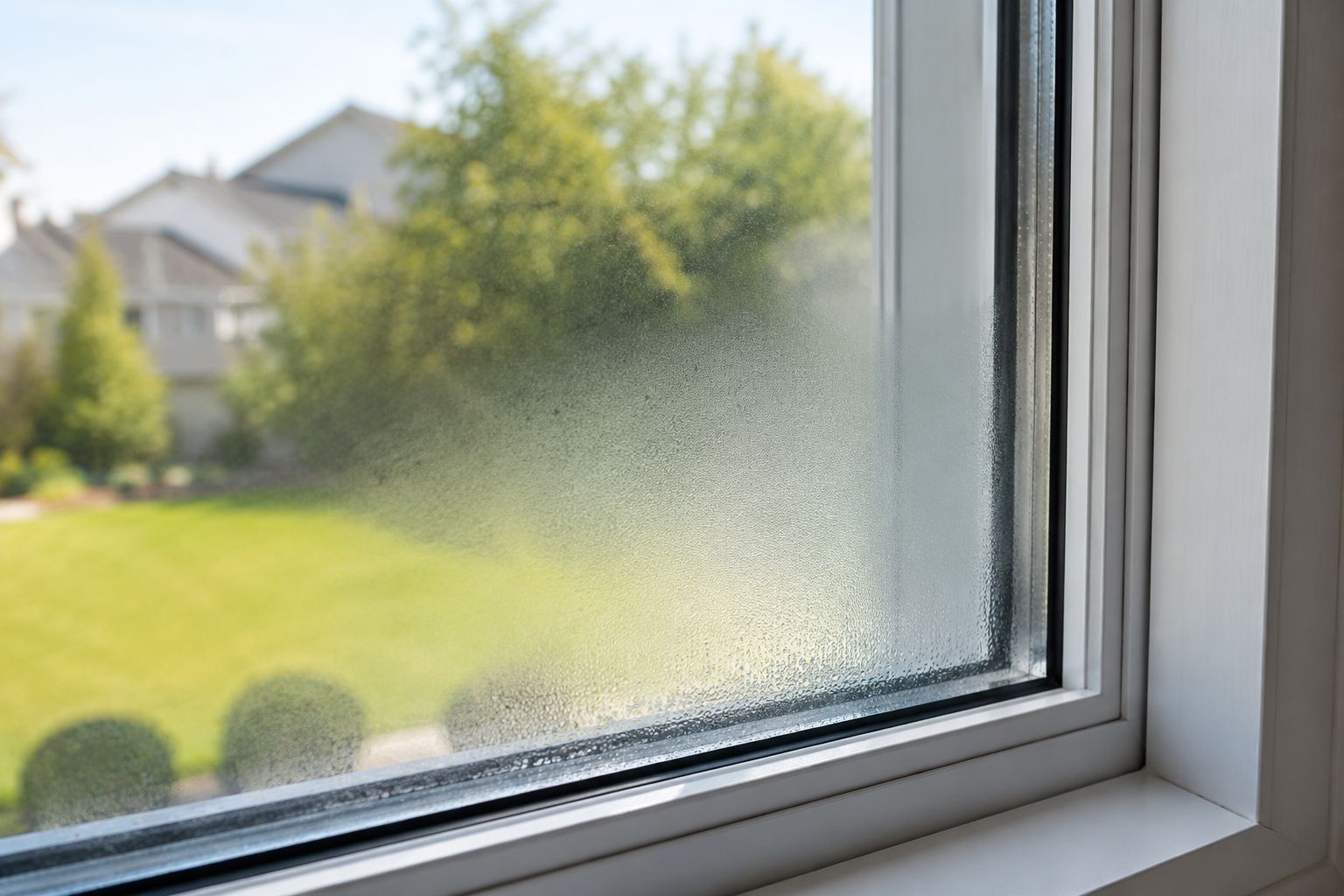
You step out of the shower, run a wet hand across the glass, and the pane still looks like someone breathed on a cold window and it never cleared. You clean it. You clean it again with something stronger. The chalky film in the low corners and along the bottom rail barely moves, and after a week it looks exactly the same as before you started. The glass that looked like open air the day it was installed now reads as a permanent gray fog.
Most people assume they are simply not scrubbing hard enough. Usually that is not the problem. What sits on shower glass is not one substance but a few different ones, and they do not respond to the same treatment. One wipes off with the right cleaner. One needs different chemistry entirely. And one will not come off at any price, because it is no longer a film on the glass, it is damage inside the glass. Knowing which is which tells you whether you have a cleaning job on your hands or a glass you have already lost.
What the cloudy film actually is
Three things build up on shower glass and look almost identical from across the bathroom. Up close, they behave in completely different ways.
Hard-Water Mineral Scale
Hard-water mineral scale forms when dissolved calcium and magnesium remain on glass after water dries. Heat encourages calcium carbonate deposits to form faster. The result is a white, cloudy, gritty layer sitting on the surface that can be removed with proper cleaning.
Soap Scum
Soap scum is a film of soap, body oils, and grime that sticks to shower glass. Hard water makes it worse by reacting with soap and creating sticky residue. It feels slick or waxy and can usually be removed with thorough cleaning.
Permanent Glass Etching
Permanent glass etching occurs when minerals, acidic residue, or harsh cleaners damage the glass surface over time. The glass remains smooth but develops a lasting haze. Because the damage is within the surface itself, cleaning cannot remove it, though professionals may polish light etching.
The reason clouding so often becomes permanent is that the first two problems quietly cause the third. Mineral scale and soap scum that are left to sit are exactly what etches the glass underneath them. A door people stop wiping down is a door on its way to being etched.
How to tell which one you have
You do not need a lab. Two quick checks tell you what you are dealing with and whether it is worth your time to clean.
The Fingertip Test
Let the glass dry, then run your fingertips across the cloudy area. Slick or waxy texture suggests soap scum, while gritty texture indicates mineral scale. Smooth glass that remains hazy points toward permanent etching.
The Clean-Patch Test
Clean a small section thoroughly, rinse it, dry it, and compare it with surrounding glass in daylight. If the patch looks clearer, buildup is present. If haze remains unchanged, the glass may be etched.
Tip: For scale and soap scum, reach for the right chemistry instead of more muscle. Mineral scale is calcium-based and needs an acid to break it down, which is why a white-vinegar solution or a dedicated limescale remover shifts it and a general spray cleaner does not. Soap scum responds better to a longer dwell time than to harder scrubbing: let the cleaner sit five to ten minutes so it can break the film, then wipe and rinse. Work in that order, mineral remover first, and you avoid grinding grit into the glass with a pad, which is its own way of dulling the surface.
Why it happens fast on frameless glass in the Upstate
A frameless enclosure is a lot of exposed glass with very little metal framing to hide behind, which is part of why it looks so clean when it is clean. It is also why film shows up so plainly, and why local conditions matter.
The Water Carries Enough Minerals to Leave a Mark
Upstate water can contain dissolved calcium and magnesium that remain behind when droplets dry on shower glass. Private wells may have higher mineral levels than municipal supplies, while heated shower water can encourage scale to form more quickly.
The Humidity Keeps Glass Wet Longer
South Carolina bathrooms can stay humid, especially when ventilation is limited. Moist air slows drying, allowing water, mineral deposits, and soap residue to remain on the glass longer. Steam can also settle repeatedly on the surface, accelerating buildup.
Older Homes Make It Worse
Older homes around Greenwood, Abbeville, and Laurens may have undersized or outdated bathroom ventilation. When fans cannot remove moisture effectively, damp air lingers after showers. Warm, humid conditions give minerals and soap residue more time to accumulate and eventually etch glass.
Frameless Panels Show Every Bit of It
Frameless shower enclosures expose large areas of uninterrupted glass, leaving little framing to hide cloudy spots or mineral buildup. Because clarity is central to their appearance, even minor residue becomes noticeable. Regular maintenance helps preserve the clean, open look.
How to keep a glass shower door clear
The habits that prevent clouding are small, and they are far cheaper than replacing a panel.
Squeegee After Every Shower
A quick squeegee pass removes water before minerals can dry onto the glass. Thirty seconds of effort can prevent hours of later scrubbing. Keep the squeegee inside the enclosure so removing water becomes an automatic final step after every shower.
Move the Moisture Out
Run the exhaust fan during showers and afterward to remove humid air. Opening a window can help too. Dry the seals, bottom rail, and glass ledges because these areas collect standing water, mineral deposits, and soap residue most easily.
Clean Gently and on a Schedule
Use a non-abrasive cleaner and soft microfiber cloth regularly to prevent buildup. Avoid scouring pads, steel wool, and stiff blades because they can scratch glass, create rough areas where grime collects, and gradually make the surface look dull.
Consider a Protective Coating
A hydrophobic glass coating helps water and minerals bead up and slide away instead of clinging to the surface. It does not eliminate maintenance, but it can reduce buildup and simplify cleaning while helping protect new glass from premature etching.
Do Not Count on Low-Iron Glass to Stay Cleaner
Low-iron glass provides exceptional clarity by reducing the green tint found in standard clear glass. However, it does not resist hard-water deposits. The glass still needs regular squeegeeing and gentle cleaning, while protective coatings provide additional maintenance benefits.
When a clouded door needs a pro
Some clouding is past the point of cleaning, and some shower problems are not really about the glass at all.
When the Glass Is Etched
If the clean-patch test shows no improvement, the haze may be etched into the glass. Light etching can sometimes be professionally polished, while severe damage may require replacement. A new coated panel can help prevent the same problem from returning.
Tip: When a door stops responding to normal cleaning, the instinct is to escalate to stronger acids and abrasive pads. That is how a lot of glass gets permanently etched, the exact damage you were trying to remove. Harsh chemicals and gritty pads attack the surface, and razor blades and scrapers leave scratches that never come out. If ordinary cleaning and a proper limescale remover are not working, stop escalating and have the glass looked at, because the next step up usually does harm you cannot undo.
When the Enclosure Has Shifted or Is Leaking
A cloudy door may also have alignment or sealing problems, especially when the door sits unevenly or water escapes around the edges. Realignment and resealing can protect surrounding tilework while helping restore proper enclosure operation and prevent further moisture intrusion.
When You Are Choosing New Glass
If replacement becomes necessary, consider how different glass types will look and perform in your bathroom. Clear, frosted, textured, and low-iron options offer different appearances. Pairing suitable glass with a protective coating can help maintain clarity and simplify future maintenance.
Frequently Asked Questions
Why does my shower glass look cloudy even right after I clean it?
If thorough cleaning does not improve the haze, the glass may be etched. Try cleaning one small area and comparing it in daylight. If nothing changes, the damage is likely permanent.
Can hard water permanently ruin a glass shower door?
Yes. Mineral deposits and soap residue can gradually etch the glass when left untreated. While surface buildup can be removed, etching cannot. Regular squeegeeing helps prevent removable deposits from becoming permanent damage.
Does white vinegar actually remove hard-water film from glass?
Yes, white vinegar can dissolve genuine calcium-based mineral scale. Apply it, allow time for the acid to work, then rinse thoroughly. However, vinegar cannot repair etched glass or restore permanently damaged surfaces.
Is a protective coating on shower glass worth it?
Yes, particularly for new frameless enclosures. A hydrophobic coating helps water and minerals bead away instead of clinging to the surface. It reduces buildup and cleaning time but still requires regular squeegeeing and gentle care.
Is low-iron glass better for avoiding hard-water spots?
No. Low-iron glass provides greater clarity by reducing the green tint found in standard glass, but it does not prevent mineral deposits. It still requires regular cleaning, squeegeeing, and potentially a protective coating.
When should I replace shower glass instead of cleaning it?
Replacement may be necessary when etching cannot be improved through professional polishing, or when the enclosure has cracked, shifted, or developed leaks that resealing cannot correct. A new panel can restore clarity and performance.
Keeping Shower Glass Clear for Years
A cloudy shower door is often the result of mineral buildup or soap residue that has been allowed to remain on the surface too long. In Greenwood, SC, regular squeegeeing, proper ventilation, and gentle cleaning can help prevent that removable film from becoming permanent etching. When the glass remains hazy after thorough cleaning, the difference matters because the problem may no longer be something sitting on the surface.
With 140
years of hands-on experience across Greenwood, SC, Cross Creek Glass
understands how shower enclosures respond to local moisture, mineral buildup, and everyday use. Proper maintenance can extend the life and appearance of frameless, low-iron, textured, or clear glass while also helping protect seals and surrounding tile from moisture. Knowing when buildup can be cleaned and when the glass has been permanently affected makes it easier to care for the enclosure without causing additional damage.