Windows Sweating and Dripping in Humid SC Summers? What Condensation Is Telling You
The direct financial damage from a commercial break-in extends well past what was stolen. Businesses also absorb the expense of repairing entry points, replacing damaged inventory displays or equipment, and in some cases, pausing operations during cleanup and investigation. Beyond the tangible losses, there is also the damage to client trust and staff morale that follows a security breach.
A business that has visibly invested in quality locks, reinforced door frames, and layered access control sends a different message than one with hollow-core doors and standard pin tumbler locks. Criminals frequently assess entry points before attempting a break-in, and visible deterrents alter that calculus.
The Real-World Impact of Inadequate Commercial Locking
Break-Ins and Their Full Scope
Rekeying Vulnerabilities
Choosing the right lock type depends on your business type, entry points, and level of access control required. Below is a breakdown of the most widely used commercial lock categories:
Categories of High-Security Commercial Locks
Internal Theft and Access Misuse
External threats often receive more attention, but internal theft accounts for a substantial share of business losses each year. Restricted access zones, combined with electronic audit trails and high-security mechanical locks, reduce the opportunity for unauthorized access by current or former employees. This is not about distrust; it is about building a system where responsibility and accountability are built into the physical environment.
| Lock Type | Best For | Key Feature |
|---|---|---|
| Deadbolt Locks | Main entry doors | High resistance to forced entry |
| Mortise Locks | High-traffic commercial doors | Durability and multi-point locking |
| Electronic Keypad Locks | Offices, server rooms | Keyless access with audit trails |
| Magnetic Locks (Maglocks) | High-security zones | Electromagnetic holding force |
| Cylindrical Lever Locks | Interior commercial doors | ADA compliance and ease of use |
| Padlocks (Commercial Grade) | Storage units, gates | Portable, hardened shackle design |
Each category has its place within a layered security strategy. Many businesses benefit from combining mechanical high-security locks at perimeter entries with electronic access control at interior sensitive zones.
Quick Answer: Where the water shows up tells you what is wrong. Moisture on the outside of the glass on a muggy morning is just dew, and it means the window is doing its job of keeping cool air in. Moisture on the inside face during summer points to too much humidity in the house or a cold spot on the glass. Moisture trapped between the two panes means the sealed glass unit has failed and needs to be replaced. Wipe the glass on both sides and check which surface comes away wet before you decide anything.
You walk into the kitchen on a July morning and the window over the sink looks like a cold glass of sweet tea left out on the porch. Beads of water cover the pane, a few have joined up and run down onto the sill, and the wood underneath is starting to look dark. Nothing is leaking in the roof sense. There is no storm. The air conditioner is running fine. Yet your windows are wet, and it is only getting worse as the afternoon heat builds.
Around Greenwood and the rest of the Upstate, this is one of the most common questions people have about their glass in the warm months. Sweating windows are not one problem. They are three different situations that happen to look alike from across the room, and each one has a different cause and a very different fix. Once you know how to read the water, you can tell a harmless morning dew from a window that is quietly failing.
Why Glass Sweats at All
Warm Moist Air Meets A Cooler Surface
Condensation forms when humid air touches surfaces colder than its dew point, turning water vapor into liquid. Window glass often becomes the coldest nearby surface.
Summer In The Upstate Sets The Stage
Upstate summers bring prolonged humidity and high dew points from late spring through early fall. Cool window glass from air conditioning encourages moisture to collect on the surface.
The Window Is Usually The Messenger
Windows rarely create condensation themselves; high indoor humidity is often responsible. Visible moisture on glass can signal broader humidity issues rather than a window defect.
Three Places Water Shows Up, Three Different Meanings
On The Outside Of The Glass
If you wipe the outer surface and the water comes away, you are looking at dew. In summer it happens when the glass is cooled by your air conditioning and the outdoor air is humid enough that its moisture condenses on the cold outside face. Manufacturers describe this as harmless, and it often means the window is insulating well, because the outer pane is staying cool instead of picking up heat from the house. It tends to burn off by mid morning as the sun warms the glass and the air dries a little.
On The Inside Of The Glass
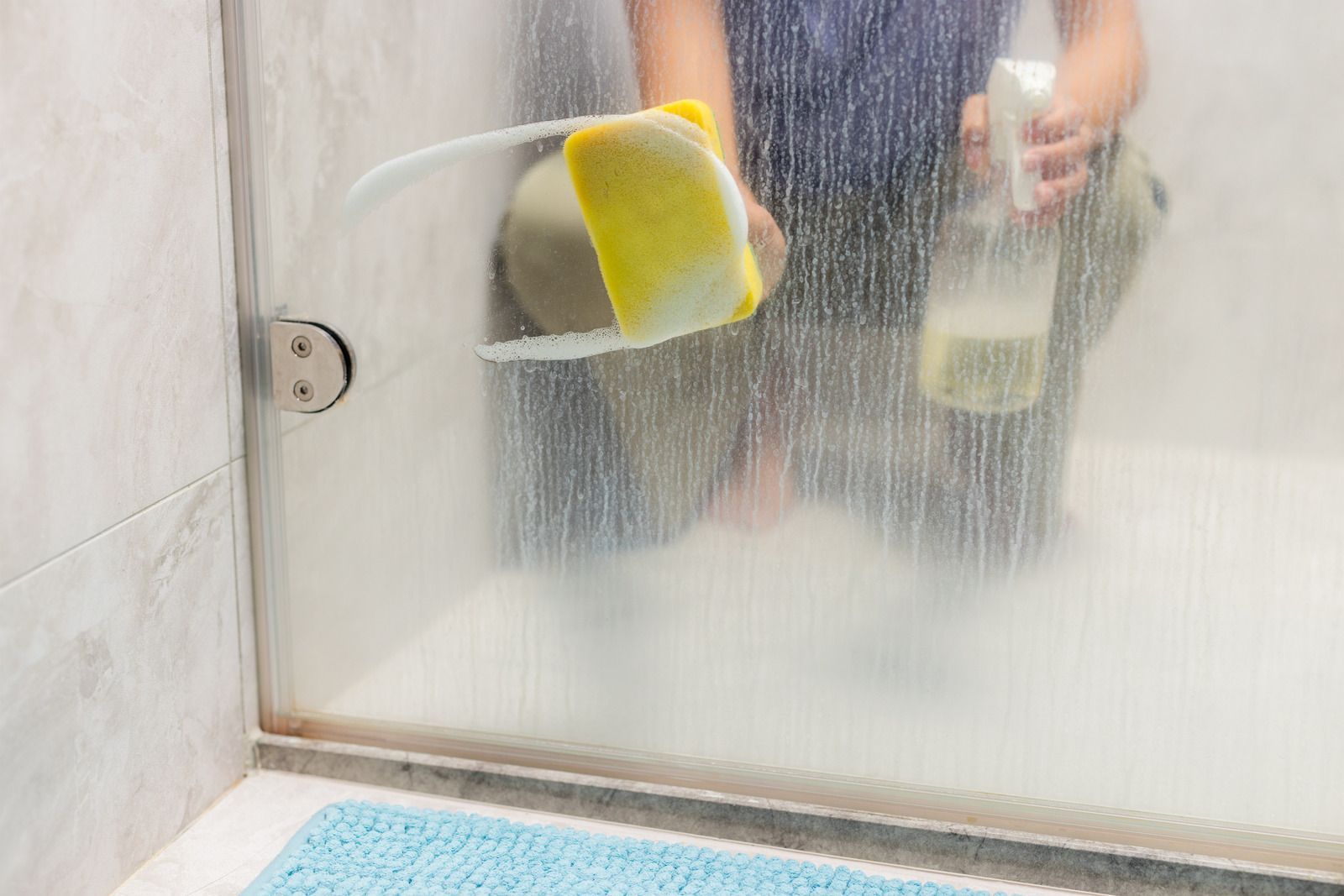
If the water comes off the room side of the pane, the air in your home is carrying more moisture than the glass surface can tolerate. Cooking, showers, laundry, wet pets coming in from a storm, and houseplants all add moisture. In winter this usually shows up on cold glass, but in a humid Upstate summer it can also happen when outside air leaks in around a frame, or when a closed up house runs the air conditioner at a low setting and never pulls enough moisture out of the air. It deserves attention, because moisture that keeps landing on the sill and frame leads to peeling paint, dark staining, and mildew.
Between The Two Panes
If neither side wipes clean and a hazy fog or droplets sit trapped inside the glass, the sealed space between the panes has been breached. A double pane window is built as one sealed unit with a dry airspace, and when the edge seal fails, humid air gets in and condenses on the inner faces of the glass. This one does not burn off for good, does not wipe away, and does not get better with a dehumidifier. It is a failed unit.
Tip: Do a quick two sided check the next time you see water on a window. Dry both faces of the glass with a towel, then watch which side beads up again. If the outside wets again, it is dew. If the inside wets again, it is house humidity. If neither side wets but the haze is still visible inside the glass, the seal has failed.
When the Outside Beads Are Nothing to Worry About
Dew On A Cool Pane Is Normal
Outside condensation is normal on cool, well-insulated glass during humid mornings. Like grass collecting dew, windows naturally attract moisture when conditions are right.
It Clears On Its Own
Morning condensation usually evaporates as temperatures rise. If moisture persists all day or blurs the view during dry weather, investigate further.
Low Emissivity Coatings Can Make It More Noticeable
Low emissivity coatings improve energy efficiency but keep exterior glass cooler. This can increase visible outside condensation compared with older windows, indicating better insulation rather than a defect.
When the Inside of the Glass Is Wet
Check The Humidity Before Blaming The Window
Use a digital hygrometer to measure indoor humidity before assuming the window is faulty. Condensation becomes more likely above 50% relative humidity, while levels exceeding 65% can overwhelm even good windows, especially during humid Upstate summers.
Look For The Moisture Sources You Control
Run bathroom fans during and after showers, use kitchen exhaust while cooking, and vent the dryer outdoors. Keep ceiling fans circulating air, and consider a portable dehumidifier if certain rooms or closets remain consistently damp.
Check How Your Air Conditioner Is Running
Oversized air conditioners may cool rooms quickly without removing enough moisture. Set the thermostat fan to auto instead of on, and contact an HVAC professional if humidity remains high despite these adjustments.
Notice Where The Water Collects
Condensation concentrated around glass edges and bottom corners may indicate cooler perimeter temperatures. Older aluminum spacers conduct heat readily, making edges colder than the center and suggesting the window could benefit from closer inspection.
Warning:
Do not ignore a sill that stays damp. Water that sits on a wood sill or wood frame all summer soaks in, softens the finish, and can rot the material underneath. Wipe moisture away when you see it, and treat repeated wetness as a signal to fix the humidity or the window, not as something to just keep wiping.
When the Moisture Is Trapped Between the Panes
The Seal Is The Whole Story
Double-pane windows use spacers, moisture-absorbing desiccants, and flexible sealants to keep the glass sealed. Years of temperature changes and direct sunlight gradually weaken the seal, eventually allowing humid air to enter the unit.
Once Humid Air Is Inside, It Stays
The spacer's desiccant initially absorbs moisture, making early seal failure appear as occasional haze. Once saturated, persistent fog develops, while escaping argon gas reduces insulation and affects indoor comfort.
Cleaners And Gadgets Cannot Reach It
Condensation trapped between glass panes cannot be wiped away. Defogging kits may remove some visible moisture but cannot restore the original seal or insulating gas, making glass unit replacement the lasting solution.
Other Signs Belong In The Same Pile
Moisture exposure can damage low-emissivity coatings, leaving permanent cloudy patches, milky areas, or rainbow discoloration between panes. If these marks persist regardless of weather or cleaning, have the window inspected for seal failure.
Reading the Pattern Through the Season
Notice The Time Of Day
Condensation that appears early and clears by late morning usually forms outside. Moisture building indoors may follow showers or cooking, while persistent fog at all hours suggests moisture trapped between panes.
Notice Which Windows
If only one or two windows develop condensation, aging glass, damaged seals, or nearby moisture sources may be responsible. When every window sweats simultaneously, high humidity throughout the house is more likely.
Notice How Fast It Returns
Wipe the glass dry and observe how quickly moisture returns. Rapid indoor condensation suggests high room humidity, while trapped moisture between panes remains visible without wiping or changing conditions.
Notice The Frames And Hardware
Sticking sashes, soft wooden frames, and mildew in window tracks may indicate prolonged moisture exposure. Mention these signs during an inspection because they help determine whether glass or the entire window needs replacement.
What to Do Next
Start With The Cheap, Easy Steps
Check indoor humidity, run exhaust fans, allow your air conditioner to remove moisture, and use dehumidifiers in damp rooms to reduce interior condensation.
Leave The Diagnosis Of A Failed Seal To Someone Who Sees Them Every Day
A window professional can distinguish surface condensation from moisture between panes and determine whether replacing the glass or entire window makes more sense.
Plan For The Whole House When One Window Fails
Windows installed together experience similar weather conditions, so other seals may weaken soon. List affected windows to prioritize repairs and plan future replacements.
Frequently Asked Questions
Why are my windows wet on the outside in summer?
Your air conditioning cools the glass, and warm humid outdoor air condenses on the cold outer face as dew. It is normal, it is harmless, and it usually dries off as the sun warms the glass during the morning.
Is condensation on the inside of my windows a sign the windows are bad?
Not necessarily. Inside moisture most often reflects high humidity in the house, from cooking, showers, laundry, or an air conditioner that is not drying the air well. Lowering the humidity usually solves it. If it keeps happening at normal humidity, or only at one window, the window may be aging.
How can I tell if the fog is between the panes?
Wipe both faces of the glass dry. If the haze or droplets are still visible and neither surface feels wet, the moisture is inside the sealed unit. That means the seal has failed, and the unit has to be replaced because the moisture cannot be wiped, dried, or vented out in any lasting way.
Will a dehumidifier fix a window that is fogged between the panes?
No. A dehumidifier helps with moisture in the room air and on the room side of the glass. It cannot reach the airspace inside a sealed window, so a fogged unit stays fogged even in a perfectly dry house.
Can a wet sill really cause damage?
Yes. Water that sits on a wood sill or frame repeatedly soaks in, lifts paint, and can lead to mildew and softening of the wood over a season or two. Wiping it up and fixing the cause protects the frame before small damage turns into a repair.
Do newer energy efficient windows sweat less?
Inside, they often do, because better glass and warm edge spacers keep the surface warmer. Outside, they can actually show more dew on humid mornings, because the outer pane stays cooler. Both are signs the window is working the way it was designed to.
Where the Water Sits Tells All
A sweating window is far easier to understand once you know that the location of the water is the whole answer. Dew on the outside is a harmless morning visitor and a sign the glass is insulating well. Moisture on the inside is a note about the humidity in your house. A fog trapped between the panes is a window that has reached the end of its sealed life. The two sided wipe test sorts all three apart in under a minute.
Reading the water correctly keeps you from running a dehumidifier against a failed seal, or from wiping a sill all summer when the real fix is a fan. Cross Creek Glass
has spent 140
years helping households across Greenwood, SC tell harmless dew from a window that needs replacing, and whether the glass alone or the whole frame should go. Dry both faces, watch which side returns, and settle each pane before the next humid stretch and a damp sill start to work on the wood.